Mother
By Dermot Tynan • February 23, 2013
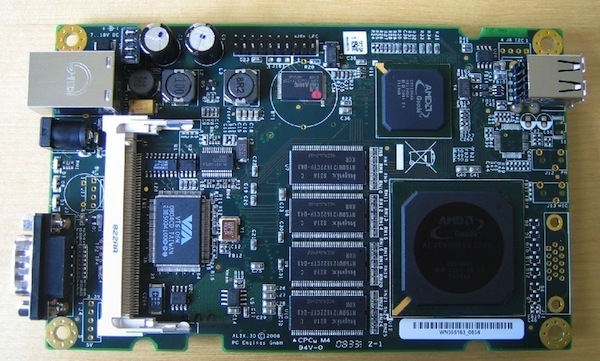
The main computer on board Nostromo in the film Alien was called Mother. It seems only right that we should call our main processor by the same name.

A discussion of autonomous boats, machine learning, and artificial intelligence, and how they fit together.
By Dermot Tynan • February 23, 2013
The main computer on board Nostromo in the film Alien was called Mother. It seems only right that we should call our main processor by the same name.
By Dermot Tynan • March 1, 2013
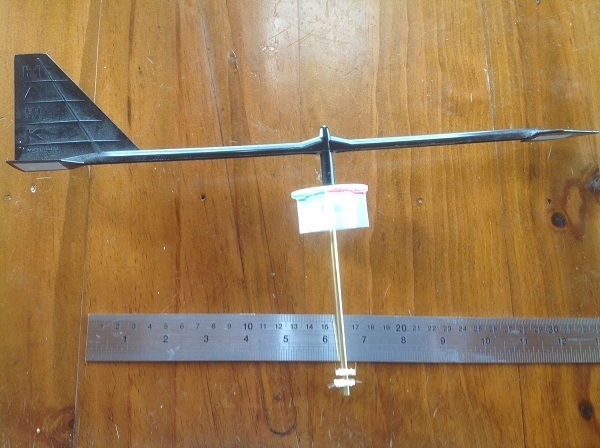
Looking at the upper-level navigation software introduces some particularly interesting questions. The low-level software will keep the boat on a TWA, or true wind angle. Technically, it's an apparent wind angle, but that's ok.
The upper level has to decide what is the best TWA. To do this, it has the current position of the boat and the position of the next waypoint. It also knows the current TWA and the compass heading. Without bogging down in the maths, it can compute the distance and bearing to the next waypoint using something called a Haversin algorithm. Given the current TWA and the heading, it can determine the wind direction. We can compute the VMG or "velocity made good" for each new heading possibility, based on the predicted Polar (more on that anon). So, we can see that a particular heading is the best course to get us as fast as possible to the next mark. All of this is standard stuff, and is used on sailboat race courses every day.
By Dermot Tynan • March 16, 2013
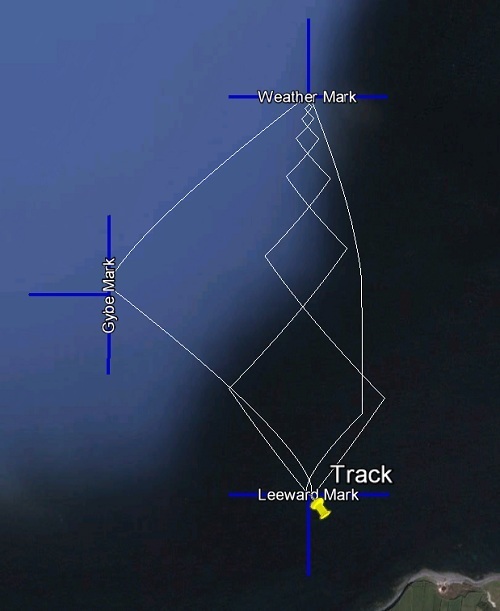
So, as I mentioned, the virtual boat was too eager to tack. If you're dead downwind of the mark, and you set off on a starboard tack, within a metre of being on the left-hand side of the course, the other tack is favoured.
I added code that essentially stated "unless the other tack is at least five degrees better than the existing one, ignore it." So, if I'm at 44 degrees TWA and the other tack is better by a degree (-43 say), stay where you are. This works quite nicely. If you look at the plotted course, it shows the boat sailing nice upwind legs, to the waypoint. As Henry would say, "it's sailing up the ladder."
By Dermot Tynan • March 21, 2013
This time, I set the simulation granularity a bit smaller, so the updates are more regular and there are more data points, which explains the curved route in some cases. You can click on the image for a slightly larger version. An Olympic course is known to sailors as a "triangle and sausage", because you sail upwind to the top mark, turn onto a broad reach to the gybe mark, gybe around, and broad reach down to the leeward mark. From there you beat back up to the windward mark, and then turn dead downwind to the finish line at the leeward mark. A true Olympic course would put the start and finish line about a third of the way up the beat, shortening the first leg somewhat, but also making for an upwind finish as you would have to sail around the leeward mark and beat to the finish. I skipped all that!
By Dermot Tynan • June 7, 2013
As the hull is now watertight, and we're mere weeks away from having a sealed hull with keel and rig, it's OK to start looking at actually getting this thing to sail.
Up until now, I've been somewhat obsessed with getting the physical aspects of the boat to a certain juncture. The reasoning is simple; until there's a boat, all of this other stuff is just a waste of time. Well, now there's a boat...